Architectural Artificial Roof Covering vs Conventional Materials in the Midwest
Anyone that has actually invested a few years viewing roofing systems age in the Midwest finds out promptly that this region is unforgiving. A roofing below does not face one environment. It deals with all of them. January can bring ice dams, wind chill, and hefty snow sitting on the eaves for days. April frequently supplies freeze-thaw swings and hard rainfall. Summer season bakes dark surface areas under solid UV exposure, then rolls in hail and straight-line winds. Autumn goes down leaves into valleys and gutters, capturing dampness where weak products begin to fail.
That environment reality is the actual backdrop for the conversation around building synthetic roof versus typical materials. Property owners are no more picking only on look or initial rate. They are weighing weight, climate performance, maintenance cycles, installation intricacy, and how well a roof will certainly still take care of ten or twenty Chicago-area winter seasons. In higher-end areas, that conversation gets even a lot more certain. Individuals desire the visual richness of slate, cedar shake, or ceramic tile, yet they additionally desire a system that does not penalize them with constant upkeep.
The surge of premium artificial roof is not a craze. It is a response to practical troubles that traditional roofing products have always had, specifically in the Midwest.
What "building artificial roof" really means
The term obtains used freely, so it aids to specify it. Architectural artificial roof covering usually describes engineered roof products developed to duplicate the appearance of natural slate, cedar shake, or clay floor tile while improving influence resistance, minimizing weight, and simplifying installment. Depending upon the supplier, these products may be made from advanced polymers, recycled composite blends, or other engineered materials.
Not all artificial roof coverings are produced equal. Some are clearly entry-level choices implied to hit a price point. Others are true premium synthetic roof covering products with deep accounts, shaped texture, custom shade blending, and accessory items that produce an ended up, encouraging roofline. The distinction matters. A deal artificial shingle might look flat and recurring from the street. A well-made building item can trick most people till they are standing a few feet away.
In functional terms, the most effective building synthetic roof aim to resolve a hard equation. They attempt to maintain the aesthetic charm of legacy materials while reducing some of the liabilities that feature them.
Why the Midwest transforms the equation
A roof covering product that performs well in a dry, pleasant environment may dissatisfy terribly in Illinois, Wisconsin, Indiana, or Michigan. The Midwest subjects weaknesses fast.
Natural cedar, as an example, can be stunning. Fresh cedar shake has heat and depth that property owners love. Yet on homes shaded by mature trees, specifically near the lakeshore or in well-known rural lots, wetness retention ends up being a serious concern. Shakes can mug, split, dim erratically, and invite moss or algae development. That does not imply cedar is a bad item. It suggests cedar needs the best setting and conscientious upkeep, which not every house owner is prepared to provide.
Natural slate is an additional example. Properly sourced and installed slate can last a long time. It brings unrivaled eminence. Yet slate is hefty, weak under foot website traffic, expensive to fix, and unforgiving of installment blunders. In the Midwest, where roofing substitute commonly follows tornado events and insurance policy timelines, finding crews with true slate proficiency can be difficult. One lost action on a cold early morning can split items that after that need specific replacement.
Asphalt shingles, the default option throughout much of the area, address a few of these troubles yet introduce others. They come and acquainted, and a top quality architectural asphalt tile remains a sensible roofing for many homes. Still, Midwest hail, granular loss, thermal cycling, and wind direct exposure can shorten real-life performance compared with what home owners expect when they listen to a long warranty term.
That is why property synthetic roof has carved out an expanding place on the market. It sits between goal and practicality.
How synthetic roof covering contrasts to asphalt, cedar, slate, and tile
The greatest case for synthetic roofing shingles is not that they beat every traditional material in every classification. They do not. The case is that they often perform far better across the classifications that matter most to Midwest homeowners.
Asphalt shingles still win on entrance expense. If budget plan is the initial and overriding problem, asphalt remains the most common solution. A home owner replacing a common suv roof covering after storm damage can frequently keep expenses within a familiar array with laminated shingles. Yet the long-term picture can shift if repeated repair work, much shorter life span, or visual limitations matter.
Cedar delivers beauty that is tough to fake when it is brand-new. On historic homes and particular architectural designs, it looks exactly appropriate. Yet its maintenance problem is real. In areas with heavy tree cover, I have seen cedar roof coverings start revealing uneven wear well before proprietors expected it. As soon as splitting and wetness biking speed up, the roofing can go from "weathered and good-looking" to "exhausted and vulnerable" faster than many people prepare for.
Slate is still the standard for reputation, but it brings architectural and logistical considerations. Some homes require support to sustain it. Repair work requires skilled hands. Blinking information end up being crucial. The product itself can last longer than lots of various other components of your home, however just if the whole system is treated keeping that very same degree of care.
Clay and concrete ceramic tile are less typical in the top Midwest than in warmer areas, partly because of design fit and partly because freeze-thaw problems can be penalizing. Ceramic tile likewise includes weight and complexity, and it does not make good sense on every roofing structure.
Architectural artificial roofing goes into that mix as a lower-weight, often impact-rated choice that can imitate slate or shake well while tolerating Midwest weather far better than many proprietors expect. A well-chosen synthetic roofing system replacement can supply the aesthetic statement of a deluxe roofing system without forcing the home to bring the structural load or the same maintenance needs of natural materials.
Appearance, and the concern property owners seldom ask correctly
Most people ask whether synthetic roof covering looks "genuine." That is reasonable, yet it is not rather the right question. The better concern is whether it looks suitable on the house.
A wonderful roofing is not simply an isolated product. It has to fit the range, architecture, house siding structure, stonework shade, home window trim, and even the profile of the gutters and flashing. Some synthetic products have hefty shadow lines and varied sizes that fit a Tudor, French nation, or lakefront customized home wonderfully. Others look as well uniform for a high-end construct and can actually cheapen the outside if the pattern repeats too obviously.
This is especially vital with artificial roofing for deluxe homes. Purchasers at the top of the market notice information. They may not determine the supplier from the driveway, but they can tell when a roofing system really feels level, glossy, or out of proportion. The most effective costs artificial roof covering products stay clear of that trouble by mixing sizes, astonishing reveals, and utilizing mixed coloration that looks like all-natural aging instead of a factory-printed monotone.
In locations such as Naperville, Hinsdale, Lake Forest, and parts of the North Shore, roof option typically converges with architecture review criteria, area expectations, and resale positioning. A homeowner looking for artificial roofing Naperville IL is frequently not trying to find the least expensive roofing system available. They are seeking the right aesthetic result with fewer headaches over time.
Weight issues more than many people realize
Structural load is not a glamorous subject, yet it drives numerous roofing decisions behind the scenes. All-natural slate and floor tile can weigh numerous times greater than asphalt or lots of artificial choices. On a brand-new custom construct, a designer and engineer can prepare for that from the first day. On an existing home, the tale is different.
I have actually seen home owners fall for the appearance of slate, only to find out that bringing their mounting up to the needed capacity would add a significant price before a solitary roof ceramic tile was set up. That kind of discovery can hinder a job quick. Synthetic roof usually maintain the desired appearance while staying clear of reinforcement work.
Lower weight additionally helps in subtler methods. It can lower stress and anxiety on older framework members, streamline hosting and managing on site, and ensure roof designs extra useful to implement. It does not remove the requirement for experienced labor, yet it expands what is viable on an existing Midwest home.
Hail, wind, and effect resistance
This is where artificial roof coverings typically gain their keep. In the Midwest, storm efficiency is not theoretical. Hail cases are common sufficient that property owners and insurance companies both pay close attention to effect resistance ratings.
Many premium artificial roof covering items are crafted to achieve high influence resistance, frequently much better than all-natural slate or cedar, which can break, split, or bruise under hailstorm. That does not indicate a synthetic roofing system is indestructible. Huge adequate hail storm can harm almost anything. However on equilibrium, well-crafted artificial products often tend to absorb effect much more forgivingly than weak natural products.
Wind efficiency is likewise considerable in open rural growths and on homes near areas, golf links, or lakefront direct exposures. Conventional products can fall short at fasteners, edges, or specific items when uplift pressures discover a weak point. A properly created artificial roof installment, paired with the correct underlayment and device parts, can carry out effectively in those conditions.
The catch is "correctly developed." A premium product installed thoughtlessly will not measure up to its guarantee. That is why the choice of artificial roofing contractor matters almost as much as the material itself.
Installation quality is not a side issue
Homeowners occasionally go shopping roof items as if installment were compatible. It is not. An artificial roof covering firm that understands the product, local code needs, incline changes, ventilation, blinking information, snow and ice patterns, and manufacturer-specific accessories will produce a noticeably different result than a staff trying the material for the second or 3rd time.
This shows up often in artificial roof covering Chicago projects. Chicago and the bordering suburbs have a substantial variety of housing supply, from compact bungalows to steep-roofed historic homes to big custom houses with complex valleys, dormers, and intersecting roofing planes. Synthetic materials can take care of that variety well, however only if design and outlining are done thoughtfully.
A proficient synthetic roofer Chicagoland property owners count on will generally begin by looking past the surface area product. They assess attic room ventilation, deck problem, flashing at masonry transitions, seamless gutter method, ice-and-water defense, and whether snow guards or specific accessory pieces make good sense. They likewise take notice of visual details. Direct exposure lines, starter positioning, ridge therapy, and color choice can make the distinction between a roof covering that looks improved and one that simply looks expensive.
When individuals hire artificial roofing installers based only on the most affordable bid, issues tend to show up in the information initially. Misaligned courses, awkward valley changes, economical blinking metals, and inconsistent attachment patterns have a method of emerging within a few seasons.
Maintenance facts over time
One of the largest debates for artificial roofing replacement is lowered upkeep compared with natural cedar or slate. That disagreement is normally fair, yet it should be stated carefully.
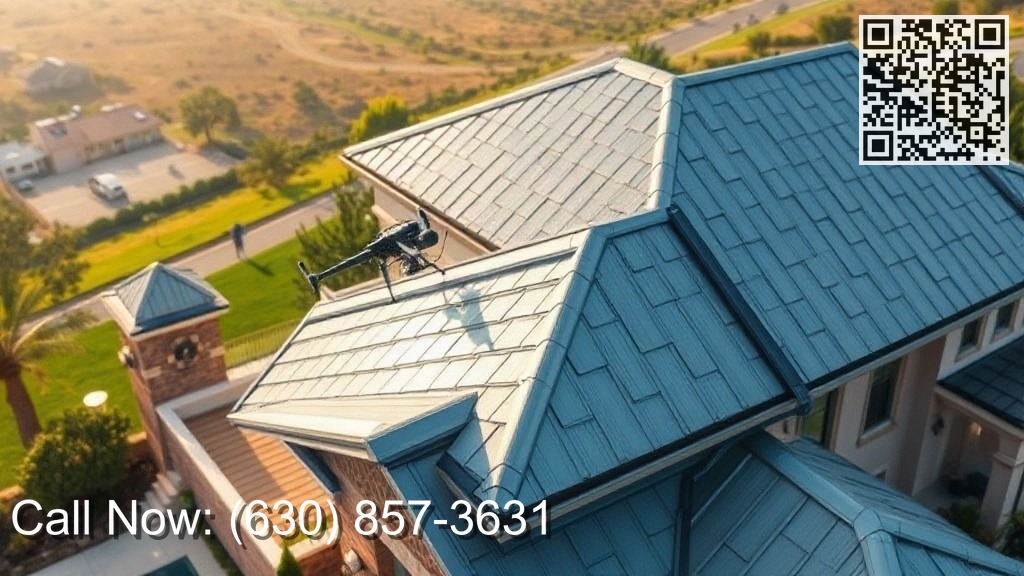
Synthetic roofings are reduced maintenance, not no upkeep. Seamless gutters still need cleansing. Valleys still accumulate particles. Flashings still deserve routine assessment. Sealers around associated roof covering penetrations will certainly not last forever just because the area product is synthetic. Branches scuffing the roof can still create cosmetic wear. Ice dam concerns can still establish if the attic room is badly protected and ventilated.
What changes is the vulnerability of the field material itself. A synthetic slate or shake item is normally less most likely to split, rot, peel, or fracture under ordinary seasonal stress and anxiety than natural wood or stone alternatives. For several homeowners, that lower maintenance profile is the point. They desire the building appearance without needing to infant the roof.
Cost, and where people typically misinterpret value
It is simple to compare roof propositions by checking out the overall at the bottom of the web page. It is harder, and more useful, to contrast value over twenty or thirty years.
Synthetic roof coverings typically cost more upfront than common asphalt tiles. They usually cost much less than top-tier natural slate or high-end cedar setups, especially when you factor in https://salvoarchitecturalroofingcontractors.com/tile-roofs/ structural reinforcement, specialty labor, and lasting upkeep. That puts building synthetic roof in a middle-to-upper tier that appeals to homeowners planning to stay, preserve aesthetics, and lower lifecycle headaches.
The error I see most often is dealing with every synthetic alternative as if it belongs in the same container. It does not. There is a real spread in item high quality, density, realistic look, warranty terms, and accessory efficiency. Some makers supply robust system-based bundles. Others mainly offer field tiles and leave installers to improvise edge and detail problems. That can influence both appearance and durability.
For a home owner contrasting proposals, the most useful questions typically involve the whole system, not simply the visible roof shingles or tile.
- What underlayment package is consisted of, particularly at eaves, valleys, and penetrations?
- Are flashings being changed totally, or recycled where convenient?
- Does the installer have purposeful experience with this certain synthetic product?
- Are ridge, hip, and starter devices matched to the system?
- How will certainly air flow be attended to as part of the replacement?
Those solutions typically disclose more about lasting value than the product label alone.
Where typical products still make sense
It would slouch to claim synthetic roofings are always the most effective answer. They are not.
For a stringent historic remediation, all-natural products might be needed or simply more appropriate. Some landmarked homes need to have real slate or cedar since that belongs to their architectural identity. In other instances, a homeowner might genuinely value the patina and aging qualities of natural products, even recognizing the added upkeep they bring.
Budget likewise matters. If a family members requires a reliable roof covering at one of the most convenient in advance cost, a well-installed asphalt system may be the most reasonable option. There is absolutely nothing naturally wrong keeping that. Roof choices ought to fit both the house and the home owner's priorities.
There are additionally style restrictions. Some homes do not gain from an artificial slate or shake account because their architecture is as well simple, too low-pitched, or also modest in scale for that product language to look all-natural. A roofing should elevate your house, not costume it.
Where synthetic roof often tends to shine
The greatest prospects for residential synthetic roof are homes where appearance matters, storms are a problem, and the proprietor wants a longer-term material without the weight and maintenance of traditional deluxe products.
That usually consists of customized homes, upper-end suv homes, renovated historic-looking homes, and residences with intricate roof covering geometry where cedar or slate would drive costs sharply greater. It likewise includes property owners who have actually already lived through the downside of one more product. Someone that has actually changed storm-damaged asphalt two times in fifteen years, or spent years keeping an aging cedar roofing system, has a tendency to comprehend the charm quickly.
In the Chicago region, artificial roofing systems have located a specifically great fit on homes that want the aesthetic personality of quaint materials while standing up much better to hail, wind, and winter season dampness. That is true from city neighborhoods with masonry-heavy style to western residential areas where huge homes sit exposed to weather across open lots.
Choosing the right contractor in the Midwest
The product choice and the service provider decision need to happen together. A terrific product on the incorrect residence, or in the incorrect hands, can disappoint. A thoughtful specialist tightens that danger by matching item, incline, flashing method, ventilation, and aesthetic details to the real property.
A capable synthetic roofing contractor need to be able to explain why one product is a much better fit than an additional without getting on sales clichés. They must speak easily regarding freeze-thaw conditions, ice defense, attic room air movement, ridge information, snow shedding habits, and service years later on. They should additionally have a profile with homes comparable to your own, not simply generic manufacturer photos.
For homeowners contrasting a synthetic roofing firm against standard contractors who just periodically mount synthetics, experience issues. This classification of roofing is mature enough since there is no factor to approve on-the-job experimentation.
The Midwest verdict
Architectural synthetic roof has actually made its area due to the fact that it answers an actual local need. It provides property owners a method to record the deepness and difference of slate, shake, or ceramic tile appearances without absorbing every disadvantage those products can bring in a Midwest climate. It is not the most affordable path, and it is not constantly the most historically authentic route. However it is commonly one of the most well balanced one.
For many homes, specifically those seeking costs curb charm and sensible longevity, artificial roofings supply an engaging middle course. They minimize weight, commonly boost effect resistance, and lower regular maintenance while maintaining a high-end building appearance. When coupled with a solid style fit and a regimented artificial roof installation, the outcome can be a roof covering that really feels both significant and sensible.
That equilibrium is what makes artificial roof Chicago property owners increasingly request for, and what keeps it expanding throughout the broader region. In an environment that exposes every weak point eventually, equilibrium issues. A roof covering needs to look right, however it likewise needs to maintain confirming itself after the uniqueness is gone, after the storms come through, and after an additional winter season settles over the Midwest.
When Quality Matters
Salvo Architectural Roofing Contractors
566 West 5th Ave Naperville, IL 60563
(630) 857-3631
 Ask ChatGPT
 Ask Grok
 Ask Perplexity
 Ask Claude
 Ask Google AI
 Ask You